★★★★☆4.6(402 reviews)
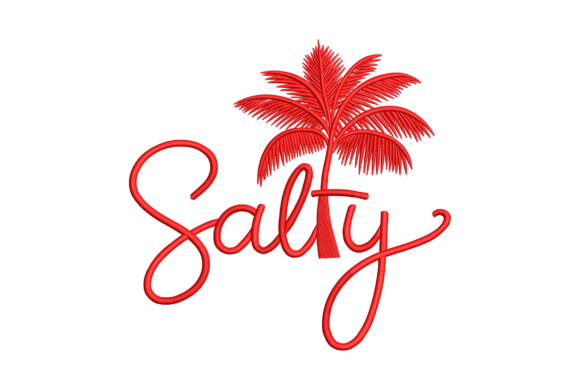
Salty Palm Tree Summer Embroidery Design Review
Real-World Business Applications
- Embroidered Patches: This design works well as a patch for tote bags, aprons, or even on custom backpacks. It adds a pop of personality without being overwhelming.
- Chest Logo Accent: As a smaller version placed above or beside a main logo on staff uniforms or work shirts, it reinforces a warm, approachable brand identity.
- Sleeve Detail: For sleeve embroidery on hoodies or long-sleeve tees, especially at boutique shops or handmade brands, it serves as a subtle yet memorable brand touch.
- Cap Embroidery: On baseball caps or bucket hats, the palm tree motif adds a fun and recognizable element. Just ensure the size and stitch density are optimized for curved surfaces.
- Tote Bag Mark: Whether used as a central graphic or an accent near the handle, it enhances the appeal of reusable tote bags while keeping the look modern and stylish.
- Apron Embroidery: For café staff or bakery workers, the design can be added to aprons to reflect a coastal, laid-back vibe that aligns with seasonal themes.
- Product Packaging Accents: When applied to small product labels or packaging tags (like for handmade soaps or candles), it elevates the perceived value and ties back to a summer theme.
- Boutique Merchandise: From custom T-shirts to canvas totes, this design brings a sense of whimsy and charm ideal for retail stores targeting a lifestyle audience.
- Customer Gifts & Event Merch: Use it on embroidered gift bags, patches for loyalty programs, or as part of limited-edition event merch during summer promotions.
- Etsy Branding: For handmade sellers, adding this design to product tags or packaging can help create a cohesive and visually appealing brand presentation.
- Commercial Embroidery Projects: With its clean lines and recognizable elements, Salty Palm Tree Summer is adaptable for commercial use, including team uniforms or promotional apparel.
When to Use with Caution
- Small Patch Sizes: The intricate details may not show up clearly unless simplified. Always test how it looks at 2–3 inches before committing to production.
- Cap Fronts: Due to the curvature and limited space, the design should be condensed or stylized to fit effectively without distortion.
- Curved Surfaces: When embroidering onto items like sleeves or curved fabric panels, adjust the file to account for stretch and shape.
- Tiny Lettering: If you’re using the script font in very small sizes, readability may suffer. Consider boldening strokes or adjusting spacing accordingly.
- High Stitch Density: The design might have areas with high stitch density, which can lead to puckering or thread breaks if not properly stabilized.
- Detailed Outlines: While outlines add definition, overly complex ones can cause issues on certain fabrics or hoop setups. Test with different outline widths.
- Textured Fabric: Textured materials like denim or felt can dull the detail of the palm tree. Opt for smoother cotton blends or linen for best results.
- Dark Uniforms: Thread colors must be carefully selected to ensure visibility. Lighter threads will pop more against darker backgrounds.
- Items That Need Frequent Washing: High-density embroidery or delicate thread choices may not hold up over time. Reinforce with appropriate stabilizers and choose durable threads.
Designer Notes for Implementation
- Test in Black and White First: This helps evaluate contrast and legibility without color bias.
- Check Small Patch Size Performance: Resize the digital embroidery file and inspect how it holds up at reduced scale.
- Review Thread Color Contrast: Ensure the chosen thread colors complement your brand palette and fabric background.
- Inspect Spacing and Proportions: Look closely at the alignment of the palm tree and script to avoid uneven distribution or awkward gaps.
- Confirm Hoop Size Requirements: Without exact specifications, always verify whether your hoop setup accommodates the design comfortably.
- Test on Real Fabric: Digital mockups are great, but nothing beats seeing how the design behaves on actual material before mass production.
- Use Proper Stabilizer: Especially important for curved or stretchy fabrics. Cutaway or tear-away stabilizers can prevent puckering and misalignment.
- Create a Printable Mockup: Share a sample with your client or team to get feedback before finalizing the embroidery file.
- Compare Beside Other Design Assets: Ensure it aligns with your overall brand visuals and doesn’t clash with other logos or typography.
- Confirm Commercial Licensing: Before using the design for branded merchandise or selling finished products, double-check licensing terms to stay compliant.
⬇️ Download Free
Free download · No sign-up required
🔗 You Might Also Like
Embroidery Fonts
First Impressions: Nostalgia Meets Style As an experienced embroidery designer, ...
Monograms
Application on Sweatshirts and Hoodies On neutral sweatshirts , this design shin...
Thanksgiving
First Impressions and Visual Personality The Thankful Bow Embroidery Design imme...
Monograms
As an experienced embroidery designer, I'm always on the lookout for fonts that ...
Holidays Celebrations
As an experienced embroidery designer, I’m always on the lookout for versatile a...
